


Rabbi Levi Yitzchak’s headstone in Alma-Ata
|
In 1944, as Rabbi Levi Yitzchak’s sentence was nearing its end, his physical condition began to deteriorate. Though unaware of this, a serious illness was spreading through his body, severely weakening him.
Meanwhile, friends in nearby Alma-Ata resolved to secure the rabbi’s release. They contributed thousands of rubles, giving of most of their wealth, in order to acquire the proper permits for the relocation. After six weeks fraught with setbacks and obstacles, they were finally able to obtain the release documents.
Immediately after Passover, his sentence completed, Rabbi Levi Yitzchak and Rebbetzin Chana left Chi’ili and arrived in Alma-Ata. In this large city their living conditions improved somewhat, and they worked more vigorously to help others in need. Yet through the summer the rabbi’s illness grew worse. A young friend made a special trip from Leningrad to Alma-Ata, together with a well-known doctor. The doctor did not have a good prognosis for the rabbi. He had no cure for his ailment.
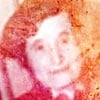
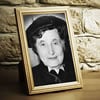
Rebbetzin Chana endured those heartbreaking days with exceptional strength and fortitude. Despite the dire conditions, she continued to welcome into her home any depressed or broken person, attending to his or her specific needs, and providing food when necessary. She retained her dignified manner and grace throughout—even wearing gloves and an elegant hat when receiving guests—and would converse with the doctors on a variety of topics, whether worldly or spiritual in nature. Rebbetzin Chana would take particular interest when the discussion turned to her husband’s scholarship and piety.
On the 20th of Av, her husband’s condition turned critical. Although he was no longer able to speak, he still continued to murmur words of Torah or Psalms. That evening, Rebbetzin Chana took a short rest so that she would have the strength to continue caring for him; when she awoke, she found the house filled with people. Her husband had returned his pure soul to its Maker.


Start a Discussion